As a classroom teacher, I was constantly gathering information about my students—what they know, what they need help with, and where they’re excelling. But tackling student data can sometimes feel overwhelming. Whether you’re using traditional methods or leveraging digital tools, there are formative assessment strategies you can use to check for student understanding.
The key to successful formative assessment includes a few key components. You need to understand why you collect data, how to collect it effectively, and most importantly, how to use it to drive instruction and support student growth. In my book EdTech Essentials: 12 Strategies for Every Classroom in the Age of AI, 2nd Edition, I dedicate an entire chapter to the essential “Assess.” In this blog post, I’ll share a handful of formative assessment strategies you can use with or without educational technology.
Let’s take a look at the process of collecting and analyzing student data!
Why Do We Collect Student Data?
Collecting student data isn’t just about filling out spreadsheets or ticking boxes on a checklist. It’s a process aimed at gaining insights into what students already know, identifying gaps in their understanding, and uncovering misconceptions that might need addressing. By painting a clear picture of student comprehension, this data informs instructional decisions at every level, whether it’s adapting lessons on the fly, preparing for tomorrow’s activities, or planning an entire unit.
Each piece of data serves to support student growth and ensure teaching strategies are tailored to their needs. This data informs your instructional decisions throughout the school year. This can happen whether you’re adjusting plans for the next five minutes, refining your approach for tomorrow, or preparing for an upcoming unit. For example:
- Elementary Level: Quick checks like sight word reviews can help you group students for targeted interventions.
- Middle and High School: Pre-assessments before a new history or science unit provide a baseline for planning differentiated lessons.
The ultimate goal is to support student growth by ensuring every piece of data paints a picture of their understanding and helps guide your teaching strategies.
Formative Assessment Strategies for Collecting Data
There are many ways to collect formative assessment data, ranging from traditional paper-based methods to tech-enhanced tools. More traditional methods might include exit tickets, short quizzes, or classroom observations.
Exit Tickets
These quick, end-of-lesson assessments give you immediate feedback on what students understood and where they need help. They inform your plans for the next day.
Short Quizzes
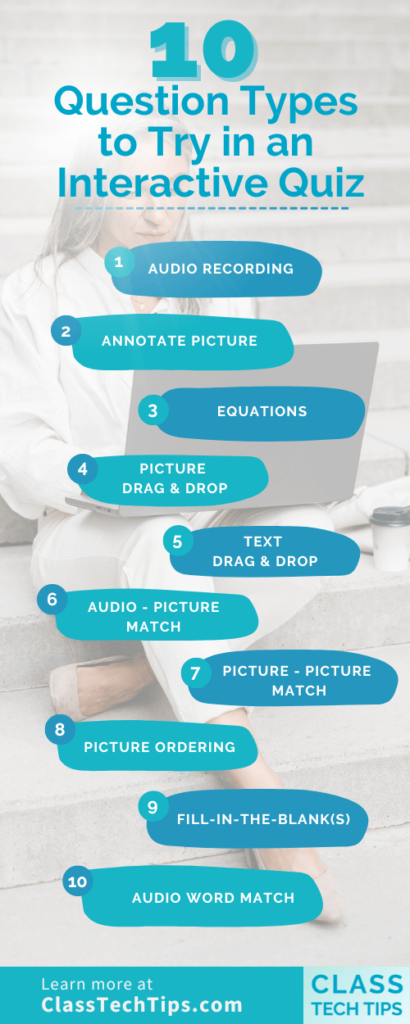
From multiple-choice to open-ended questions, quizzes provide valuable insights. Short quizzes could include pictures or diagrams for students to reference or sentence starters to jump-start student thinking.
Classroom Observations
Observing students during activities and taking notes – I often had a checklist on a clipboard as a classroom teacher – has long been a staple in education. This method allows for real-time assessment of skills in a classroom setting.
Using Digital Tools to Collect Formative Assessment Data
Classroom technology allows educators to take these traditional methods and enhance them in variety of ways:
- Digital Exit Tickets: Tools like Google Forms can streamline data collection and analysis. An online space like Padlet gives students options on how they want to respond (ex., Audio, video, text).
- Form-Based Observations: Replace your clipboard with a digital form that organizes and tracks trends in real-time. For example, you can use a form to record observations during group work and instantly access the data later. This is one of the first ways I put an iPad into action in my classroom as a fifth-grade teacher.
- Interactive Assessments: Platforms like Kahoot or Quizizz make quizzes engaging while collecting data on student performance. You might use these tools for individual or whole-group activities.
Using digital tools doesn’t just save time; it also provides opportunities for collaboration. For instance, you can share data on a spreadsheet with co-teachers or support staff. This is a great way to make sure everyone in your class is supported.
Success Criteria Leads to Actionable Data
When you are collecting data for students, you want to make sure it is actionable. Defining success criteria is essential for meaningful data collection. You might ask yourself:
- What specific skills or knowledge should students demonstrate?
- How will I know if students really understand? What will I need to see or hear from them?
For example, if you’re assessing a student’s understanding of primary sources in a social studies classroom, success criteria might include naming five characteristics of a primary document and providing examples. By having clear criteria, you can:
- Design questions that align with your goals.
- Analyze responses with a focused lens.
- Ensure the data you collect is actionable.
Turning Data Into Action
Collecting data is only half of the equation. The real value lies in how you analyze and act on it. Here are some practical steps:
Analyze Patterns and Trends
- Whole-Class Data: Look for commonalities to guide group instruction. For example, if most students struggle with a specific math concept, plan a whole-class reteach.
- Individual Data: Identify strengths and areas where each student needs to grow. This allows for tailored interventions and targeted support.
Differentiate Instruction
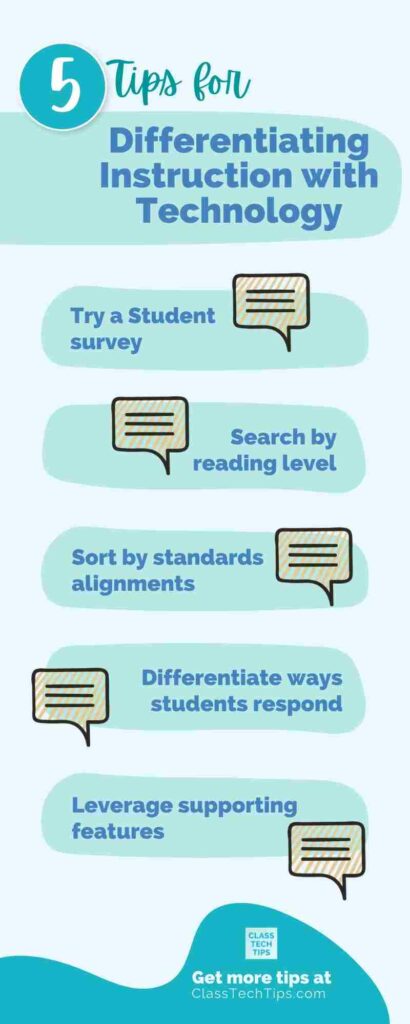
Differentiation is key to addressing the diverse needs of students:
- Small Groups: Use data to create groups based on shared needs. For instance, students struggling with context clues in reading can receive focused instruction.
- Station Rotations: Design activities for different skill levels. Some students might work on independent tasks, while others engage in teacher-led activities.
- One-on-One Support: Provide personalized feedback and coaching to students with unique challenges.
Collaborate With Teams
Work with your grade-level or department team to share trends and patterns across classrooms. You can develop grade-wide strategies or form cross-class groups for targeted interventions. Collaboration with teacher teams can help make sure that no student falls through the cracks and fosters a cohesive approach to addressing learning gaps.
Digital Tools that Align with Formative Assessment Strategies
Classroom technology can make your data collection and analysis process smoother. When I lead workshops or sessions for educators on formative assessment, I sometimes call these “value adds” or the benefits of using educational technology in a classroom setting
- Automation: Tools like Google Sheets or data visualization software can help you quickly identify trends.
- Accessibility: Share data easily with co-teachers, specialists, or families to keep everyone on the same page.
- Real-Time Feedback: Digital tools allow you to review data instantly and provide timely feedback to students.
For example, using a digital form to log classroom observations can replace stacks of sticky notes. This approach not only saves time but also ensures that your data is organized and shareable.
The process of tackling student data doesn’t have to feel overwhelming. Start small by trying one new strategy, like digital exit tickets or form-based observations, to collect actionable data efficiently. Make sure you’ve clearly defined your success criteria so you can analyze the data with purpose and precision, ensuring it leads to meaningful instructional changes.
Find more posts featuring assessment tools & tips:
- How to Use Book Creator for Formative Assessment
- Uncheatable Assessments and the Role of Digital Storytelling in the Classroom with Michael Hernandez – Easy EdTech Podcast 214
- Where SEL and Assessment Meet
- Innovative Assessment How to Incorporate Video Essays in Your Classroom – Easy EdTech Podcast 206